What Is Low Level Laser Therapy?
Low-Level Laser Therapy (LLLT), also known as Photobiomodulation Therapy or Cold Laser Therapy, is a non-invasive technique that uses specific wavelengths of light aimed at supporting the body’s natural healing processes.
Research suggests LLLT may assist with pain management and soft-tissue recovery in some acute or chronic conditions by interacting with cells to help regulate biological activity. As much as possible, we have collected a variety of research papers created by reputable organisations like American Medical Journal, British Medical Journal, Lancet, PubMed, amongst others. There has been more than 700 research papers on the effects of LLLT on different health conditions, and we have tried to provide a range of papers both with evidence of it's effects, and some papers that are inconclusive.
Results and responses can vary between individuals and depend on factors such as condition type, duration, and overall health.
How Does LLLT Work?
LLLT involves the application of low-intensity light from lasers or LEDs to specific areas of the body.
The light is absorbed by components within cells, particularly the mitochondria, which are involved in energy production.
This process is thought to:
- Support normal cellular activity and energy production
- Aid in reducing inflammation
- Assist in the body’s natural recovery processes
These effects are not guaranteed for all individuals or conditions, and your practitioner will discuss suitability during consultation.
What Does LLLT Treat?
LLLT has been studied for its potential to assist with the management of symptoms in some conditions involving pain, inflammation, or tissue repair.
Examples include:
- Musculoskeletal discomfort (e.g. joint or tendon irritation, back pain, sprains)
- Chronic pain conditions such as arthritis or repetitive strain injuries
- Post-operative or soft-tissue healing support
LLLT has also been explored in other fields such as dentistry, dermatology, and hair restoration — however, evidence varies and not all applications are clinically validated.
Your practitioner can advise on whether LLLT may be appropriate for your specific concern.
Is LLLT An Option For Pain Management?
Some studies have shown that LLLT may assist in managing pain and inflammation and in supporting wound recovery.
However, clinical outcomes can vary significantly depending on factors such as:
- The condition being addressed
- Treatment frequency and duration
- The light wavelength and device used
Because of these variations, results cannot be guaranteed, and LLLT should always be administered by a qualified health practitioner.
Is LLLT Right For Me?
Whether LLLT is suitable for you depends on your medical history, current symptoms, and treatment goals. When used appropriately, LLLT may be a suitable option for individuals seeking non-invasive approaches to pain management. You can book an assessment session to discuss your condition and determine whether Low Level Laser Therapy may be a suitable part of your care plan.
What are the side effects, precautions and contra-indications of LLLT?
LLLT is generally well tolerated. Temporary redness or mild irritation at the treated site can occur. It can also cause mild nausea, dizziness, euphoria, feeling sleepy and headaches.
In rare cases, LLLT may cause a temporary increase in pain or discomfort in the treated area during the first 24–48 hours. This is thought to be related to the increase in blood flow required for the healing process. This reaction is usually self-limiting and can often be managed with an ice pack and simple pain relief such as paracetamol or ibuprofen, where there are no contraindications for the patient.
We do not use LLLT on moles, suspected cancerous areas or on pregnant women. We also do not use LLLT in patients with a history of light-triggered migraines, seizures or epilepsy
Your practitioner will explain potential side effects and ensure treatment is appropriate for your situation.
This side effect is seen more often in patients who have previously received a cortisone injection in the same area.
Find out if LLLT is Right For You
This session allows Dr Malekzadeh to review your medical history and discuss all available options and whether Low-Level Laser Therapy may be suitable for your condition.
Frequently Asked Questions
What is Low-Level Laser Therapy (LLLT)?
Low-Level Laser Therapy (LLLT), also called Photobiomodulation Therapy (PBM), uses specific light wavelengths to interact with tissues. Evidence suggests it may assist in reducing pain or inflammation and supporting the body’s natural healing responses. It is a non-invasive option sometimes considered as part of a broader pain management plan.
How does LLLT work?
LLLT directs low-intensity light to targeted areas of the body. This light energy is believed to stimulate cellular activity, which may support tissue recovery and help reduce discomfort in some individuals. Your practitioner can explain how this approach might fit within your overall treatment plan.
What conditions can be treated with LLLT?
LLLT may be used alongside other management strategies for conditions involving muscle, joint, or soft-tissue discomfort — for example, arthritis, tendon injuries, or post-surgical pain. Evidence does vary between conditions, and not all individuals experience the same results.
How long does each treatment session last?
Treatment sessions generally last between 20 and 45 minutes, depending on your condition. Your practitioner will discuss a personalised plan during your bulk-billed assessment.
How much does each treatment sessions cost?
The cost of Low Level Laser Therapy sessions with Laser For Pain are as follows:
Assessment Session: Through Medicare
30-Minute Session: $140 standard | $110 for pensioners & concession card holders
45-Minute Session: $190 standard | $140 for pensioners & concession card holders
How many treatment sessions will I need?
Treatment frequency varies depending on the condition, its severity, and individual response. Some patients may notice improvement after a few sessions, while others may require a longer course. Your practitioner will review progress regularly.
Are there any side effects of LLLT?
LLLT is generally well tolerated. Temporary redness or mild irritation at the treated site can occur. Your practitioner will explain potential side effects and ensure treatment is appropriate for your situation.
Is LLLT covered by health insurance?
Coverage varies between insurers and policies. Please check with your provider to confirm whether LLLT is included in your plan.
How do I know if LLLT is right for me?
Your eligibility and suitability will be assessed during a bulk-billed consultation. Dr Malekzadeh will review your medical history, discuss any current treatments, and outline whether LLLT may be an appropriate component of your care.
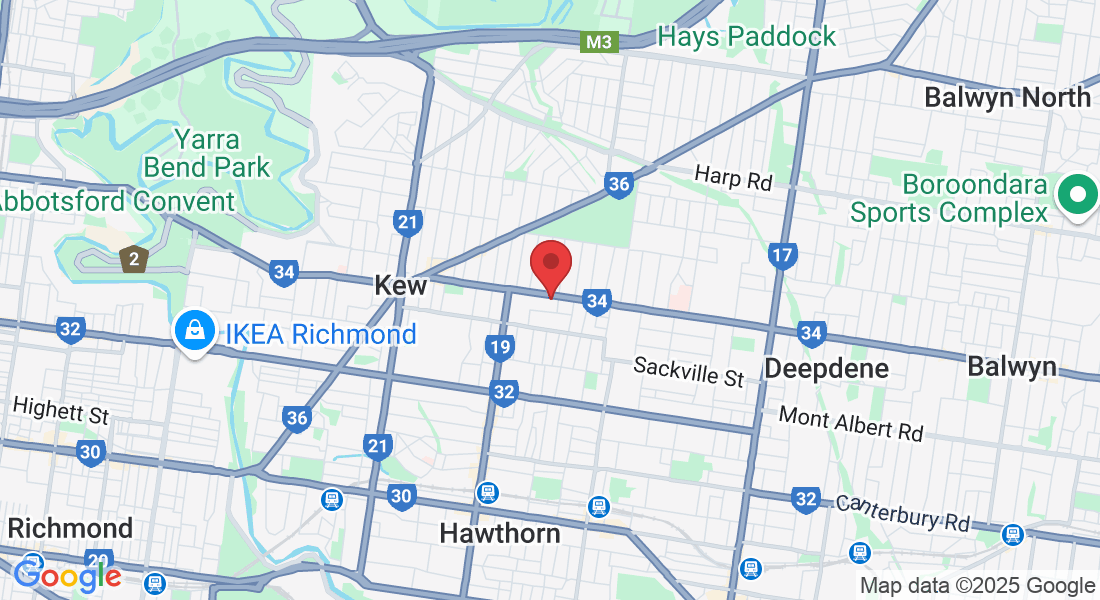
Address: 176 Cotham Road, Kew, Victoria, 3101
Email: [email protected]
Opening Hours:
Friday: 8:00AM to 5:00PM
Dr. Malekzadeh also administers LLLT in Newport at the Complete Family Care on Mondays and Thursdays. To book an appointment there, please call (03) 9391 0033.
The information contained on this website is provided for general educational and informational purposes only. While every effort is made to ensure accuracy and currency, the content does not constitute medical or professional advice and should not be relied upon as such. Results and responses to Low-Level Laser Therapy can vary between individuals. Your practitioner will determine suitability and discuss potential benefits and risks before treatment.
Copyright 2026. All rights reserved.