What Can Low Level Laser Therapy Treat?
Low-Level Laser Therapy (LLLT), also known as Photobiomodulation Therapy, is a non-invasive approach that has been studied for its potential to assist with pain management and support tissue recovery.
LLLT delivers specific wavelengths of light to targeted areas of the body. This light energy interacts with cells and may help to support cellular energy production and reduce inflammation.
Research suggests these effects could contribute to reduced pain and improved healing in some musculoskeletal and soft-tissue conditions.
Research suggests LLLT may assist with pain management and soft-tissue recovery in some acute or chronic conditions by interacting with cells to help regulate biological activity. As much as possible, we have collected a variety of research papers created by reputable organisations like American Medical Journal, British Medical Journal, Lancet, PubMed, amongst others. There has been more than 700 research papers on the effects of LLLT on different health conditions, and we have tried to provide a range of papers both with evidence of it's effects, and some papers that are inconclusive.
Please see the links to the related journal articles regarding the conditions listed for more information, and seek medical advice from your medical practitioner before seeking treatment.
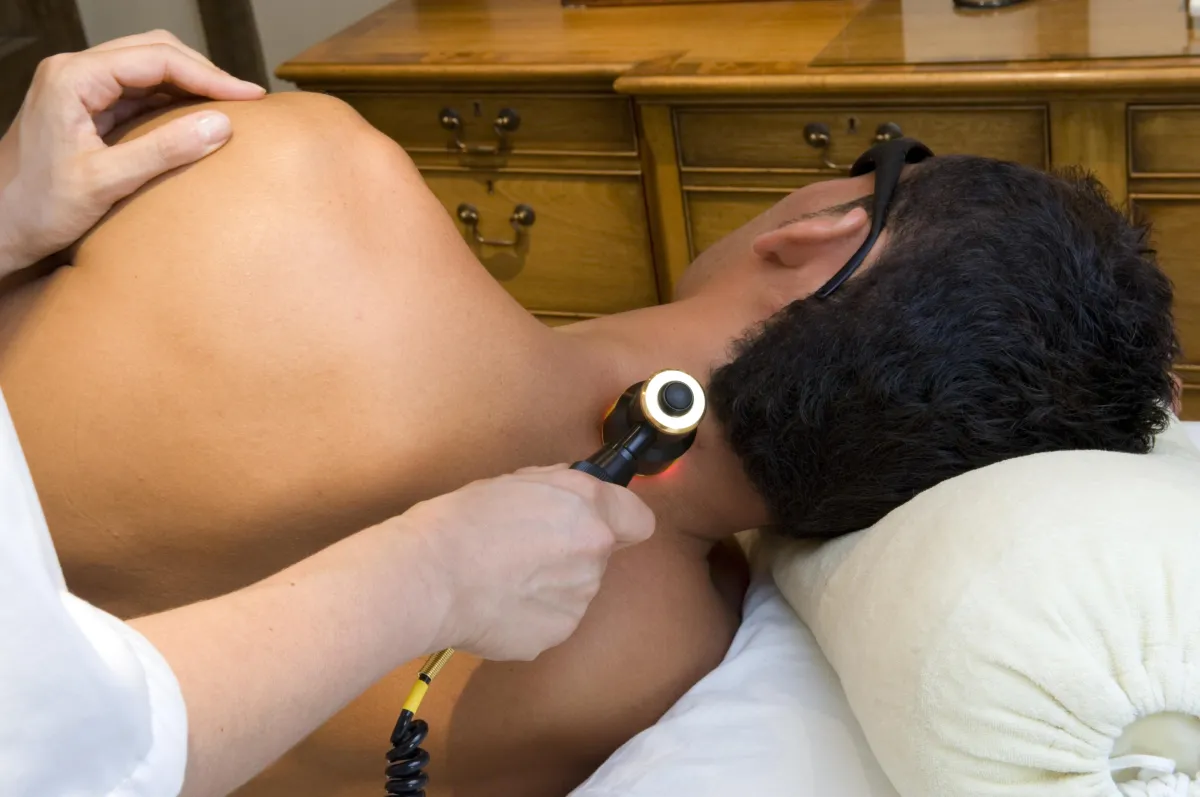
Neck and Head Pain
LLLT may assist in managing symptoms associated with:
- Neck pain and muscle tension
- Arthritis-related discomfort
- Whiplash and soft tissue strain
- Temporomandibular joint (TMJ) pain
- Headaches or migraines linked to muscular tension
This therapy may help reduce inflammation and improve circulation in targeted tissues, supporting overall comfort and recovery.
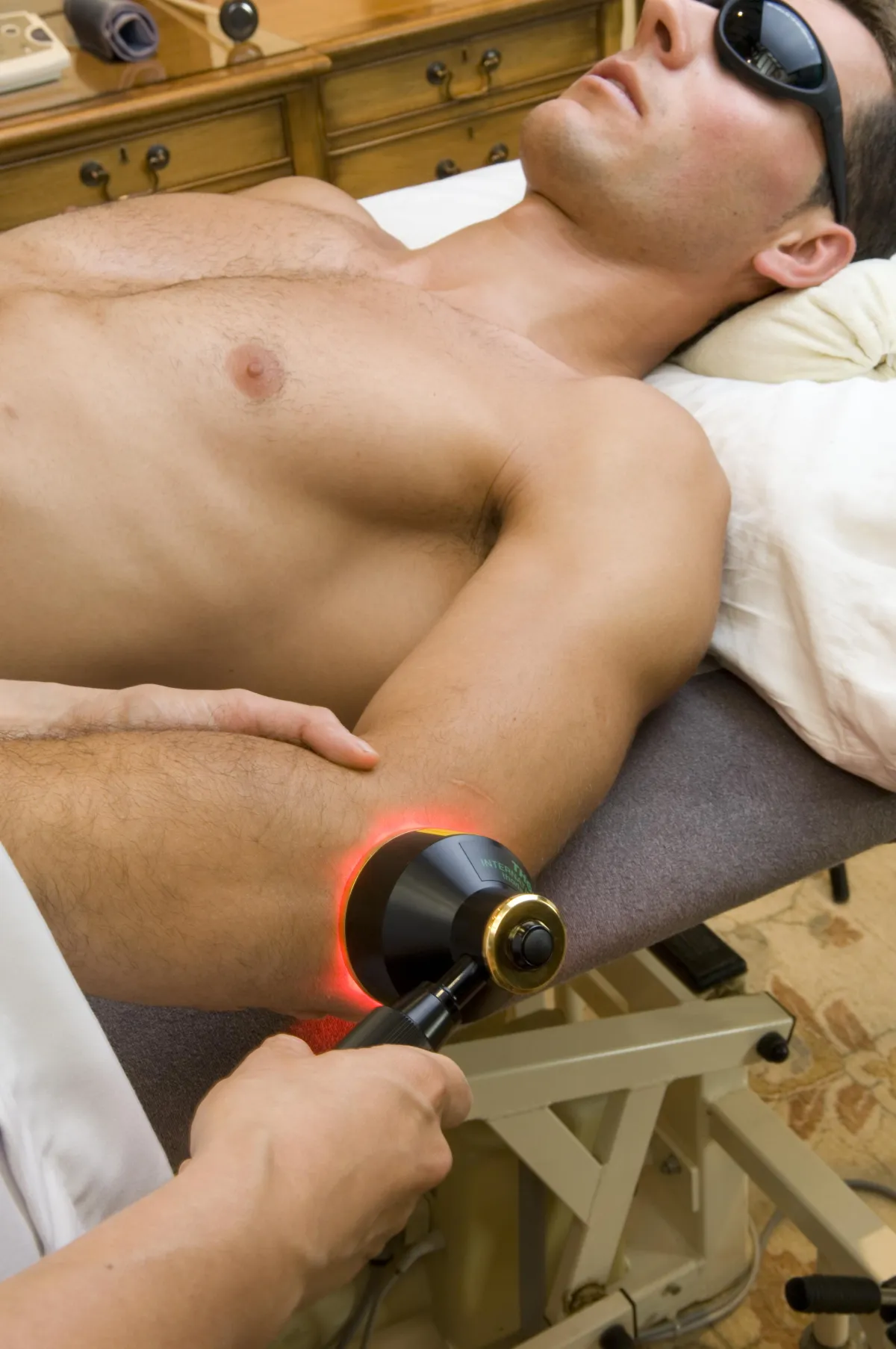
Elbow and Forearm Pain
LLLT is sometimes used as part of management for:
- Tendon-related pain such as tennis or golfer’s elbow
- Mild arthritis in the wrist or hand
The light energy may help reduce soft tissue inflammation and promote natural repair processes. Your practitioner will assess suitability based on your symptoms.
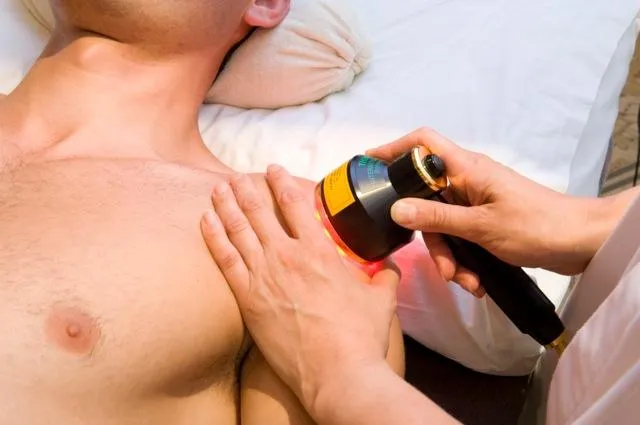
Shoulder and Rotator Cuff Pain
For shoulder pain related to soft tissue or overuse, LLLT may be used to:
- Reduce inflammation in the rotator cuff region
- Support tissue recovery following strain or injury
- Assist mobility in conditions like frozen shoulder or bursitis
Outcomes vary depending on condition severity and overall health factors.
Back and Hip Pain
LLLT may be considered for people experiencing:
- Lower back or muscle-related pain
- Sciatica or nerve irritation
- Hip or sacroiliac joint discomfort
Evidence suggests LLLT may assist with pain management and soft tissue recovery when used alongside other therapeutic strategies.
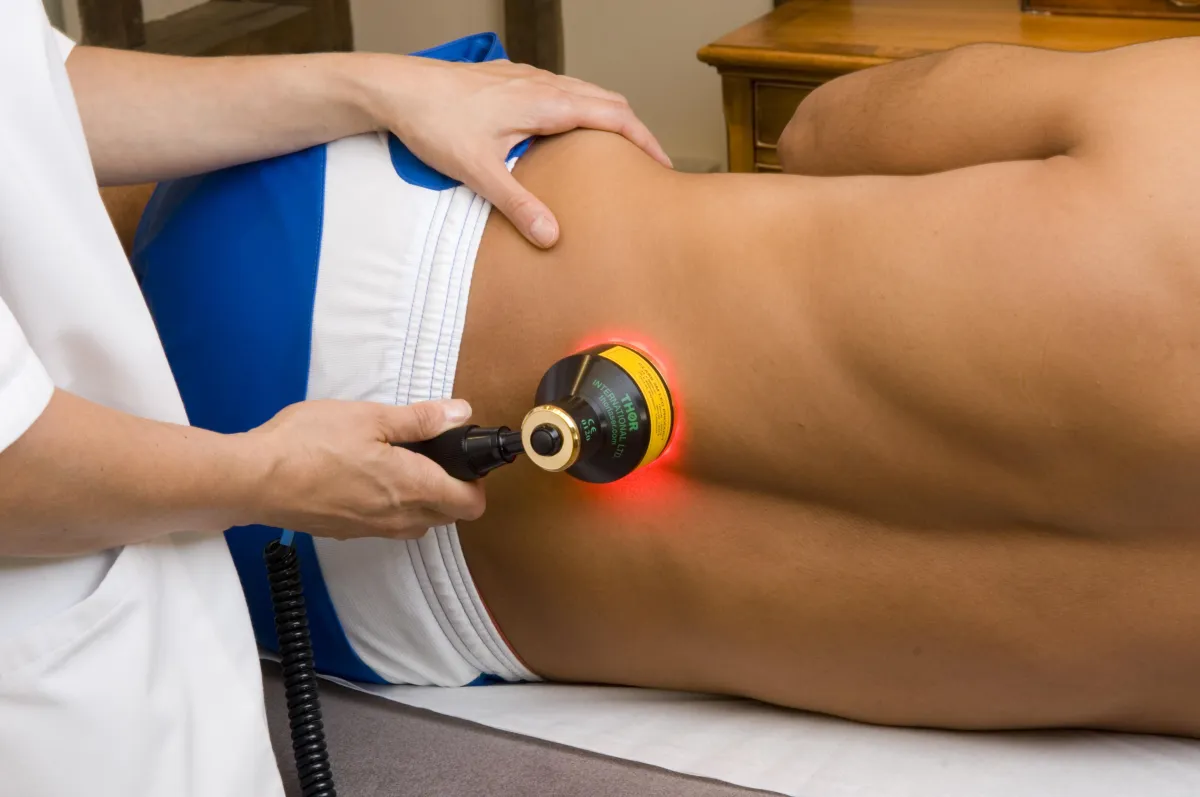
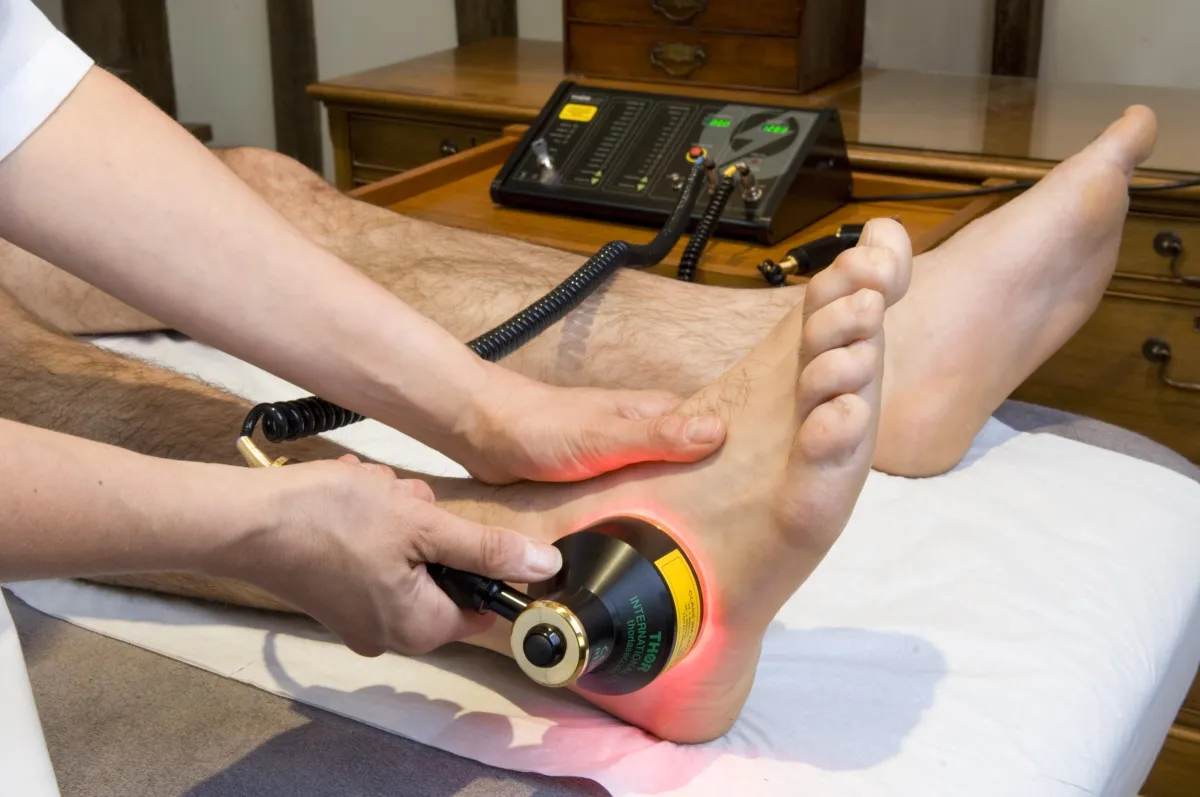
Leg, Knee and Foot Pain
LLLT may form part of a broader care plan for:
- Joint discomfort (e.g., knee arthritis)
- Tendon or ligament irritation (e.g., Achilles tendonitis)
- Circulatory or nerve-related symptoms in the lower limbs
This therapy is not suitable for all conditions. Your practitioner will advise on its potential role within your treatment plan.
Other Conditions
In some cases, LLLT may also be used to support management of symptoms associated with:
- Post-treatment nerve irritation
- Mild lymphatic swelling following surgery
Always consult your healthcare professional before beginning or changing any form of treatment.
Find out if LLLT is Right For You
This session allows Dr Malekzadeh to review your medical history and discuss all available options and whether Low-Level Laser Therapy may be suitable for your condition.
Frequently Asked Questions
What is Low-Level Laser Therapy (LLLT)?
Low-Level Laser Therapy (LLLT), also called Photobiomodulation Therapy (PBM), uses specific light wavelengths to interact with tissues. Evidence suggests it may assist in reducing pain or inflammation and supporting the body’s natural healing responses. It is a non-invasive option sometimes considered as part of a broader pain management plan.
How does LLLT work?
LLLT directs low-intensity light to targeted areas of the body. This light energy is believed to stimulate cellular activity, which may support tissue recovery and help reduce discomfort in some individuals. Your practitioner can explain how this approach might fit within your overall treatment plan.
What conditions can be treated with LLLT?
LLLT may be used alongside other management strategies for conditions involving muscle, joint, or soft-tissue discomfort — for example, arthritis, tendon injuries, or post-surgical pain. Evidence does vary between conditions, and not all individuals experience the same results.
How long does each treatment session last?
Treatment sessions generally last between 20 and 45 minutes, depending on your condition. Your practitioner will discuss a personalised plan during your bulk-billed assessment.
How much does each treatment sessions cost?
The cost of Low Level Laser Therapy sessions with Laser For Pain are as follows:
Assessment Session: Through Medicare
30-Minute Session: $140 standard | $110 for pensioners & concession card holders
45-Minute Session: $190 standard | $140 for pensioners & concession card holders
How many treatment sessions will I need?
Treatment frequency varies depending on the condition, its severity, and individual response. Some patients may notice improvement after a few sessions, while others may require a longer course. Your practitioner will review progress regularly.
Are there any side effects of LLLT?
LLLT is generally well tolerated. Temporary redness or mild irritation at the treated site can occur. Your practitioner will explain potential side effects and ensure treatment is appropriate for your situation.
Is LLLT covered by health insurance?
Coverage varies between insurers and policies. Please check with your provider to confirm whether LLLT is included in your plan.
How do I know if LLLT is right for me?
Your eligibility and suitability will be assessed during a bulk-billed consultation. Dr Malekzadeh will review your medical history, discuss any current treatments, and outline whether LLLT may be an appropriate component of your care.
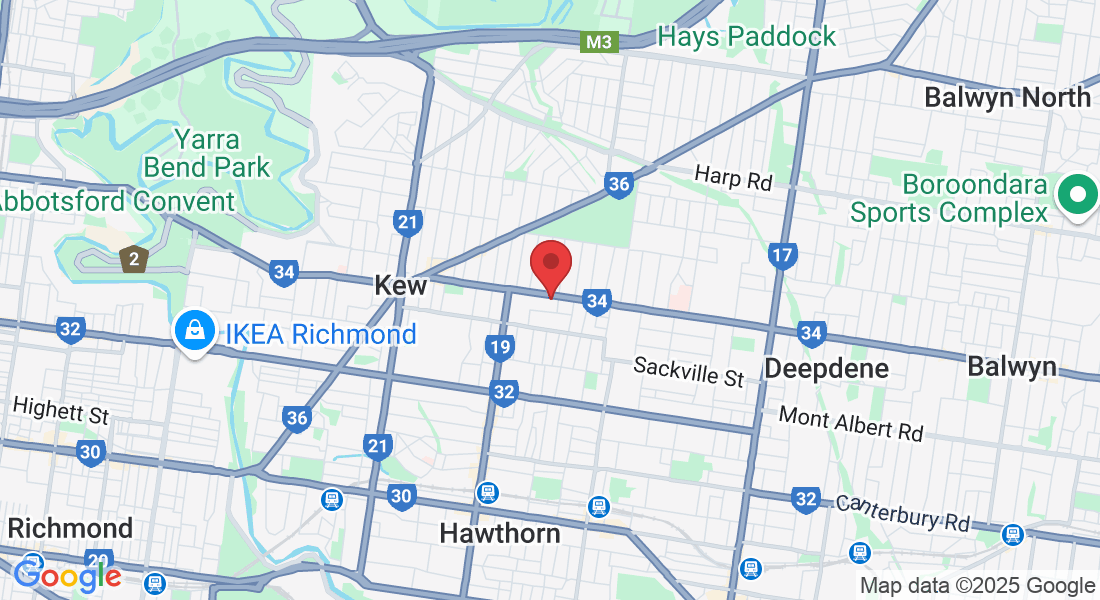
Address: 176 Cotham Road, Kew, Victoria, 3101
Email: [email protected]
Opening Hours:
Friday: 8:00AM to 5:00PM
Dr. Malekzadeh also administers LLLT in Newport at the Complete Family Care on Mondays and Thursdays. To book an appointment there, please call (03) 9391 0033.
The information contained on this website is provided for general educational and informational purposes only. While every effort is made to ensure accuracy and currency, the content does not constitute medical or professional advice and should not be relied upon as such. Results and responses to Low-Level Laser Therapy can vary between individuals. Your practitioner will determine suitability and discuss potential benefits and risks before treatment.
Copyright 2026. All rights reserved.