MANAGING LEG AND KNEE PAIN WITH LASER THERAPY
Learn more about Low Level Laser Therapy, a non-invasive approach that can be considered as part of a broader pain management plan when other options have provided limited benefit.
3.1 out of 10
Reduction in knee pain compared with placebo on a 100-point pain scale after Low Level Laser Therapy.¹
70% Pain Reduction
Decrease in average knee pain scores following Low Level Laser Therapy treatment.²
50% Reduction in Pain
Reduction in lower leg and joint pain after 4 weeks of Low Level Laser Therapy.³
What is LLLT?
Understanding Low Level Laser Therapy
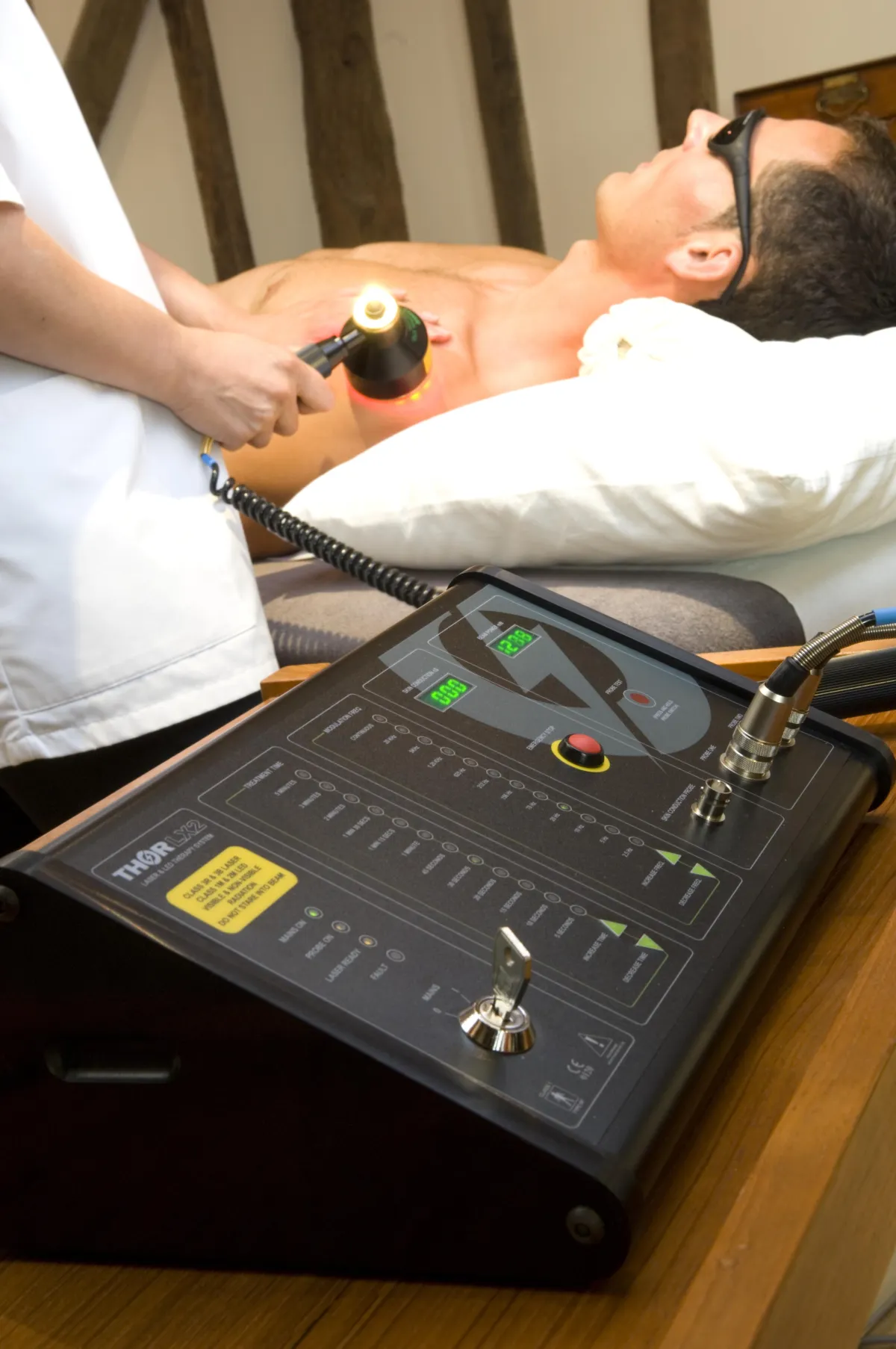
Low-Level Laser Therapy (LLLT) is a non-invasive therapy that uses specific wavelengths of light to interact with tissue and support cellular processes.
It is commonly used within pain management and rehabilitation programs to assist with inflammation control and tissue recovery.
LLLT works by delivering low-intensity light through the skin, which can influence biological activity at a cellular level involved in repair processes. Individual responses vary and suitability is assessed by a practitioner.

Pain Reduction
LLLT can assist with pain management by influencing biological pathways involved in tissue repair and nerve signalling. It may be considered for both chronic and acute leg or knee-related discomfort.

Inflammation Reduction
LLLT can support circulation and tissue recovery, which can be relevant for inflammatory conditions affecting the knee, ankle, foot, or surrounding soft tissue.

Increase Recovery Speed
LLLT can be used alongside other care options to support recovery by influencing cellular activity involved in tissue repair following injury or surgical procedures.
What Can We Treat?
Leg and Knee Conditions Commonly Reviewed
Low-Level Laser Therapy (LLLT) can be considered for a range of leg and knee-related conditions following an individual clinical assessment.
To discuss whether LLLT can be suitable for your situation, please contact us by email, or via the enquiry form.
Arthritis and Joint Conditions
Including joint-related symptoms affecting the knee or foot, inflammatory joint conditions, and discomfort associated with gout-related flare-ups.

Tendon and Ligament Conditions
Including symptoms commonly associated with Achilles tendon irritation, plantar fascia discomfort, ligament strain, ankle instability, and tendon-related concerns affecting the leg or knee.

Inflammatory and Degenerative Conditions
Including inflammatory conditions affecting the knee, bursitis-related symptoms, and degenerative joint changes involving the knee or other leg joints.

Circulatory and Nerve Conditions
Including nerve-related symptoms affecting the legs, circulation-related skin concerns, neuroma-related foot discomfort, and nerve pain extending into the lower limb.

Soft Tissue Conditions
Including soft-tissue injury, wound-related concerns affecting the leg, muscle strain, overuse-related symptoms, and inflammation affecting the skin or underlying tissue.

Trauma and Post-Surgical Conditions
Including symptom management following knee or leg surgery, recovery following fractures or dislocations, and post-injury inflammation or discomfort.
Why Choose Laser For Pain
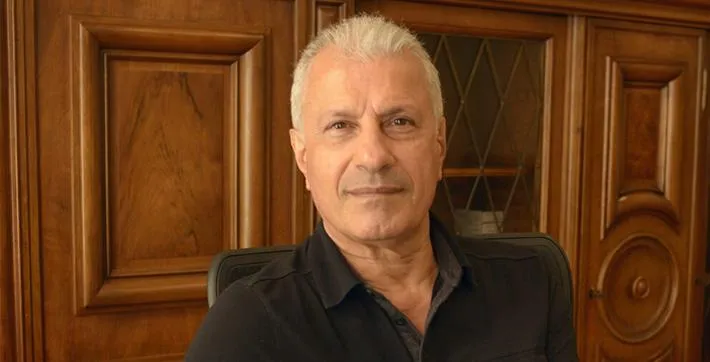
Meet Dr Roozbeh Malekzdeh
With over 30 years of experience as a General Practitioner, Dr Malekzadeh has a wide range of experience in treating a variety of conditions.
He has been administering LLLT in Melbourne for the over a decade and opened his clinic Laser For Pain in Kew to focus on the treatment.
30+ Years Experience as a General Practitioner
12+ Years Experience administering Low Level Laser Therapy
Completed Internationally Recognised Training in LLLT
Cofounder of Australian Psychosomatic Centre

Dr Roozbeh Malekzadeh, MD
Make A Booking Today
Assessment sessions allow Dr Malekzadeh to review your medical history, discuss your symptoms, and determine whether Low Level Laser Therapy can be appropriate for your condition.
Frequently Asked Questions
What is Low-Level Laser Therapy (LLLT)?
Low-Level Laser Therapy (LLLT), also called Photobiomodulation Therapy (PBM), uses specific light wavelengths to interact with tissues. Evidence suggests it can assist in reducing pain or inflammation and supporting the body’s natural healing responses. It is a non-invasive option sometimes considered as part of a broader pain management plan.
How does LLLT work?
LLLT directs low-intensity light to targeted areas of the body. This light energy is believed to stimulate cellular activity, which can support tissue recovery and help reduce discomfort in some individuals. Your practitioner can explain how this approach might fit within your overall treatment plan.
What conditions can be treated with LLLT?
LLLT camay be used alongside other management strategies for conditions involving muscle, joint, or soft-tissue discomfort — for example, arthritis, tendon injuries, or post-surgical pain. Evidence does vary between conditions, and not all individuals experience the same results.
How long does each treatment session last?
Treatment sessions last between 30 and 45 minutes, depending on your conditions. The length of the sessions, and how many sessions are required, will be discussed during a bulk-billed assessment session.
How many treatments will I need?
The number of treatments required can vary widely depending on the condition, its severity, and the individual's response to therapy. Some patients camay experience relief after only a few sessions, while others might need a longer course of treatment.
How much does each treatment sessions cost?
The cost of Low Level Laser Therapy sessions with Laser For Pain are as follows:
Assessment Session: Through Medicare
30-Minute Session: $140 standard | $110 for pensioners & concession card holders
45-Minute Session: $190 standard | $140 for pensioners & concession card holders
Are there any side effects of LLLT?
Your practitioner will explain potential side effects and ensure treatment is appropriate for your situation. LLLT is generally well tolerated. Temporary redness or mild irritation at the treated site can occur. Some side effects can include mild nausea, dizziness, lethargy and euphoria.
Is LLLT covered by health insurance?
Coverage varies between insurers and policies. Please check with your provider to confirm whether LLLT is included in your plan.
How do I know if LLLT is right for me?
You can book an assessment session, and Dr Malekzadeh will review your medical history, discuss any current treatments, and outline whether LLLT can be an appropriate component of your care.
Any Questions?
Feel free to get in touch by email or by leaving an online enquiry.
Email: [email protected]
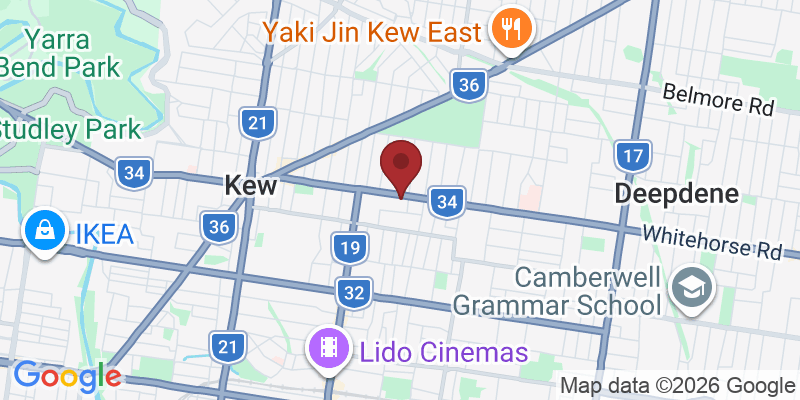
Address: 176 Cotham Road, Kew, Victoria
References

Copyright 2026. All rights reserved.